Web Accessibility Analysis WCAG
Accessibility audit and implementation to WCAG and WAI-ARIA standards. Ensure your website is accessible to all users and meets legal requirements.
Web accessibility analysis and processing
An accessible website is one that everyone can use - people with visual, auditory, motor, or cognitive disabilities. Accessibility is not just an ethical question but increasingly a legal requirement. I help companies meet accessibility standards and make their websites available to a wider audience.
Automated tools catch only about 30-40% of issues. The rest requires manual testing, knowledge of standards, and experience with assistive technologies. That's why I combine both approaches.
What I analyze and address

Semantic structure
Correct use of headings (<h1> - <h6>) and their hierarchy. Proper use of semantic elements (<nav>, <main>, <article>, <aside>, <footer>). Meaningful document structure for screen readers.

Keyboard navigation
Full website navigation using keyboard only. Visible focus on interactive elements. Correct tab order and skip navigation links.

Alternative texts
Descriptive alt text for images. Captions and transcripts for video and audio content. Text alternatives for all non-text content on the website.

Colors and contrast
Sufficient text-to-background contrast ratio (minimum 4.5:1). Information not conveyed by color alone. Text readability at various sizes.
Forms and interactions
Proper label-to-input association. Clear error messages. Adequate touch and click target sizes. Proper naming of buttons and links.
Standards I work with
The analysis is based on current international standards:
- WCAG 2.2 at levels A and AA (or AAA as required) - the current version also covers mobile interaction and
prefers-reduced-motion - WAI-ARIA 1.2 for enhanced accessibility of dynamic elements (modals, tabs, dropdown menus)
- European Accessibility Act (EAA) - in effect since June 2025 for e-shops, banks, and other private companies
- National accessibility legislation as applicable
How the analysis works
Automated audit
Scanning the website with tools like axe DevTools and WAVE to identify machine-detectable issues. Automated tests cover roughly 30-40% of WCAG rules.
Manual testing
Navigating the site with a screen reader (NVDA, VoiceOver), keyboard-only control, and checking scenarios that automated tools miss - content clarity, navigation logic, dynamic element behavior.
Findings report
A clear document describing issues, their severity, and user impact. Each finding includes a screenshot, reference to the relevant WCAG criterion, and the affected user group.
Fix recommendations
Specific suggestions with code examples and prioritization. Each fix includes an estimated effort level, so your team knows what to tackle first.
Implementation
I can make the fixes directly, or provide instructions for your development team. For more involved changes (form rewrites, navigation refactoring), I collaborate with your developers.
Re-testing
Verification that the implemented fixes actually resolved the identified issues. Final report confirming compliance with the chosen WCAG level.
Who is this service for
- Public institutions required to meet accessibility legislation
- E-shops and private companies falling under the European Accessibility Act from June 2025
- Companies before a redesign - an accessibility audit reveals what to keep and what to fix before investing in a new website
- Organizations before a third-party audit - preparation for certification or inspection
Related services
Accessibility overlaps with other areas I work on:
- Technical SEO - proper semantics and structure help search engines too
- Speed optimization - a fast website is a more accessible website, especially on slower devices
Further reading
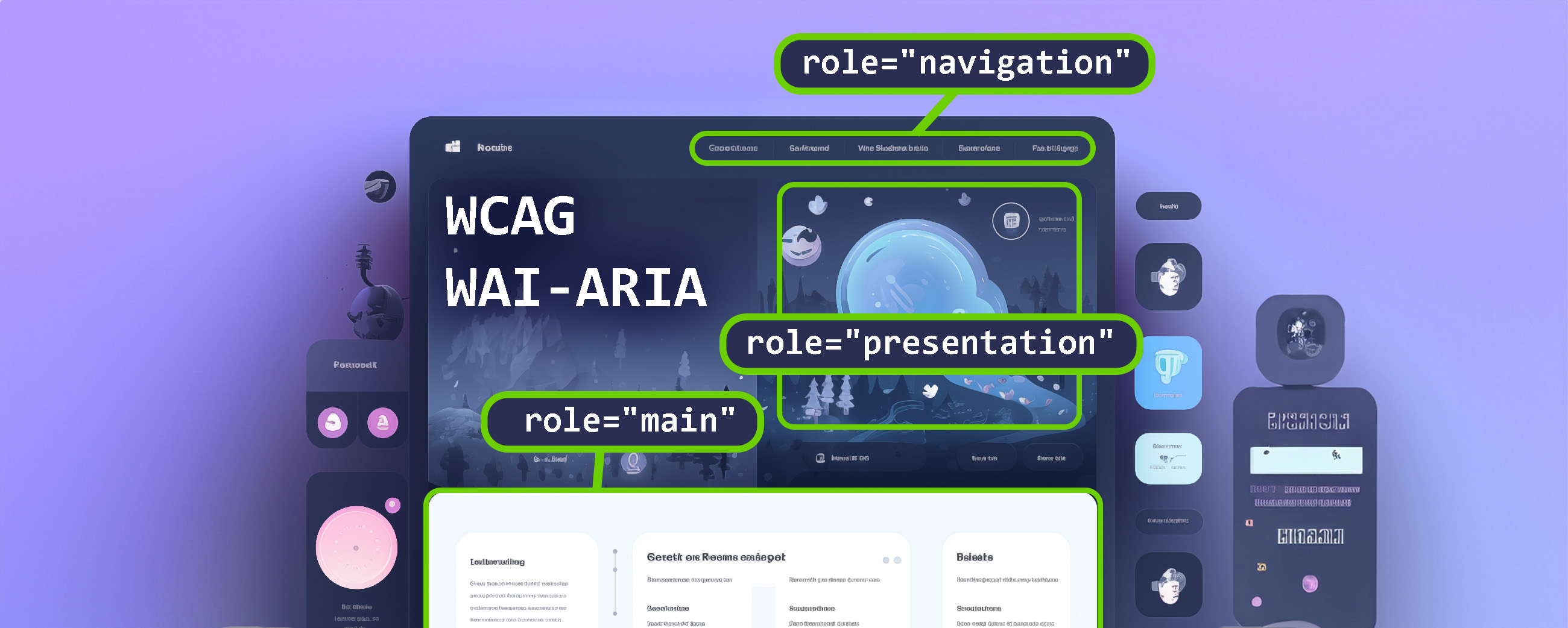
Web Accessibility Guide

What Should a Business Website Contain in 2026
GDPR on Your Website - What You Must Comply With in 2026
Get in touch - the first consultation is completely free.